Climatic Concerns
Various climates and environmental conditions can be harmful. It is important that you prepare yourself for any climatic conditions that may pose a risk on your journey.

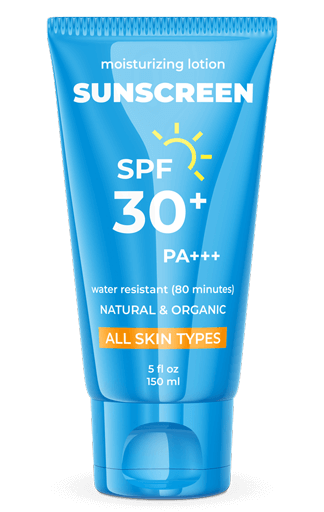
Sun sense and sunscreens
The sun’s rays can cause long-term damage, premature ageing, and potentially fatal skin cancer. While holidays in the sun are great, too many holidaymakers return home with sun-damaged skin because they didn’t use sunscreen or used it incorrectly.
Your chances of getting sunburnt are higher if you have fair skin, red or blonde hair, or are taking medication that increases your skin’s sensitivity to ultraviolet light. Some people who take the antibiotic drug prescribed to prevent malaria may experience heightened sensitivity to the sun’s rays.
Sunburn
Did you know that sunburn is actually the inflammation of your skin from overexposure to the sun’s UV rays?
Symptoms
Sunburn causes red, painful and sometimes blistered skin, which later peels. Severe sunburn can cause fever, nausea, vomiting and delirium.
Treatment
- Cool, moist compresses applied to sunburnt skin will reduce the heat and ease the pain. Moisturising cream or lotion will help counteract the frying effect. Tip: Store moisturising cream in the refrigerator for a more soothing effect.
- Use paracetamol to reduce fever and pain, or apply burn creams and sprays containing xylocaine. Note: Some people may develop allergies from using products containing xylocaine and this product should not be used on children under two years of age.
Prevention
To avoid sunburn:
- Always travel with a high-protection sunscreen. SPF 50+ protects against 98% of damaging UVB rays.
- Apply to exposed skin at least 20 minutes before heading outside and reapply every two hours, or immediately after swimming or strenuous exercise that causes you to sweat.
- Pay particular attention to your nose, ears, cheeks and shoulders.
- Stay out of the sun during the hottest time of day. Generally, this is from 10am to 3pm.
- Never underestimate the power of UV radiation. You can burn just as quickly on overcast days, on the water, or on snow.
- Wear close-fitting sunglasses to prevent eye damage.
- Cover up with loose cotton clothing and wear a wide-brimmed hat.
Prickly heat
Prickly heat is a common problem in tropical areas where the increased heat and humidity prevent sweat from evaporating. This excessive sweating can result in the failure of sweat ducts to function properly.
Symptoms
Prickly heat usually occurs under the arms and between the thighs and is characterised by a small, red rash and occasionally blisters, which are intensely irritating.
Treatment
The aim of treatment is to unblock the sweat ducts. A cool shower, resting in an air-conditioned space, and wearing loose and pale non-synthetic clothing will all help.
Heatstroke (sunstroke)
Heatstroke is caused by the body overheating. To avoid heatstroke, limit vigorous activity during the hottest hours of the day and ensure you drink plenty of non-alcoholic fluids to restore fluids lost through perspiration. Dehydration and heatstroke often go unrecognised. The affected person themselves may not realise the potential danger.
Symptoms
Mild/moderate dehydration
Signs of mild to moderate dehydration:
- decreased (or darker) urine
- lethargy
- dry mouth and thirst
- loss of skin elasticity
- sunken eyes
- headaches.
Heat exhaustion
Signs of heat exhaustion:
- dizziness
- nausea
- profuse sweating.
This stage is called heat exhaustion because of the extreme tiredness that accompanies the symptoms. Heat exhaustion is a serious medical condition and needs to be treated before it progresses to heatstroke. Heatstroke can be fatal; it is a medical emergency requiring urgent treatment. A key indicator of heatstroke is when sweating stops and the body temperature rises.
Treatment
Cooling is critical. Drink lots of water and other cool non-alcoholic fluids, including an oral rehydration solution such as Hydralyte to replace lost electrolytes. Drinking fluids is all that is required if the symptoms are mild, such as a headache.
If symptoms are more severe, find shade or an air-conditioned space where the person can lie down and rest. Activity generates heat in the muscles, which may worsen the symptoms. If possible, have a cool bath (NOT with very cold water, which could cause the body’s circulation to shut down and retain the heat.)
Cold climate travel
Prepare early
If you are travelling to the snow, begin exercising to prepare your body six to eight weeks before departure, particularly if you will be skiing and snowboarding. Muscle training should focus on the quadriceps and gluteal muscles, while increasing cardio exercise will improve your endurance. Before hitting the slopes each day, warm up with stretching exercises and double-check all equipment.
Dress appropriately
Wear several insulating layers of clothing. Loose clothing allows warm air to be trapped next to the skin, while a waterproof outer layer will keep you dry. Wet clothing can easily freeze, causing heat insulation to be lost.
Wear two pairs of socks in shoes or boots
Tight-fitting shoes cause cold toes, leading to frostbite. Keeping hands warm is far easier in mittens than gloves. A lightweight glove inside a heavier mitten allows more movement and insulation.
Head and eye wear
Around 80% of body heat is lost through the head. Wear a hat that covers the ears, which can easily be frostbitten. UV sunglasses are also very important in the snow as the glare from above and below can cause cataracts and other permanent vision impairment. Glasses with side flanges, or wraparound glasses, stop light from entering the sides.

Frostbite
Frostbite occurs when the skin becomes extremely cold and freezes.
Symptoms
Frostbite can be recognised by the whiteness of the skin and numbness of the affected area. Initially, the area simply feels cold, but progresses to a tingling sensation. Fingers, toes and ears are the most likely places for frostbite.
Treatment
Warm the affected area immediately with warm towels or warm water. Do not use hot water or rub the area in any way. Once the area has thawed, wrap the affected area in clean bandages and avoid exposing to wind or cold again. Seek medical attention as soon as possible.
Prevention
Always be adequately prepared when entering cold climates, and carry waterproof and additional layers to ensure you are not caught out if the weather suddenly changes. Never underestimate how quickly the weather can change.
Hypothermia
This potentially fatal condition occurs when the body temperature has been lowered to the extent that brain function becomes impaired and heart function compromised. Urgent medical assistance is required.
Symptoms
- pale, cold skin
- slow, irregular pulse
- slow, shallow breathing
- blurred or double vision
- pupils not reacting to light.
The person may appear to be sleeping, difficult to rouse, and may be unconscious.
Treatment
Shelter the person from the cold, change wet clothing, and keep them warm. If required, continue to resuscitate the person until professional medical assistance is at hand. Do not rub the affected areas, offer alcohol, or expose the affected person to excessive heat.